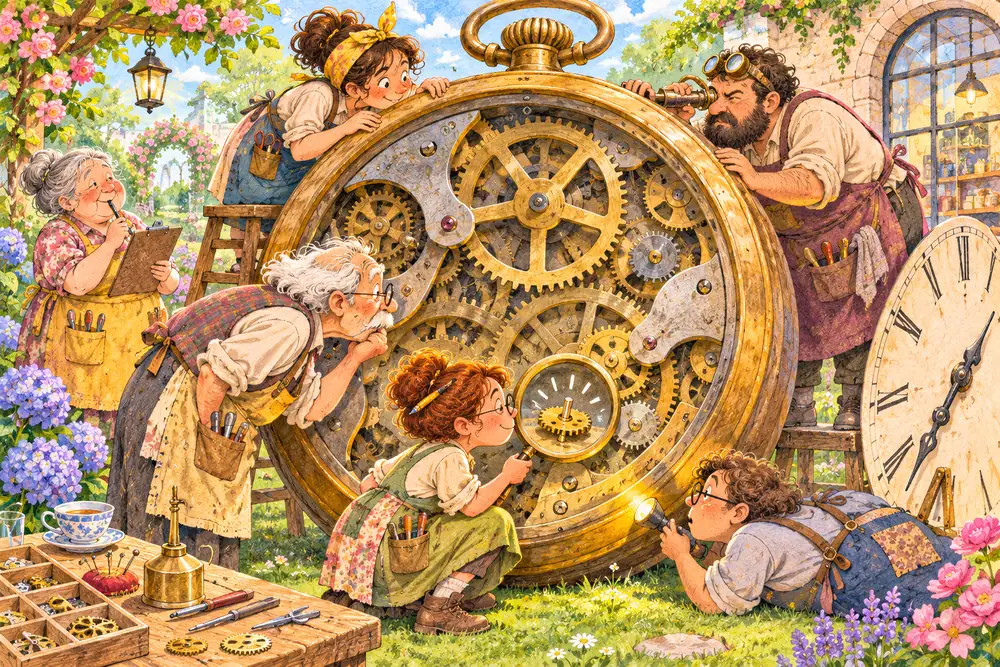
There was once a garden famous for its healthy fruit trees. One day, the owner decided the garden needed to be managed more professionally. He hired someone to measure the height of every tree each morning. After a month, he decided height alone was not enough to measure performance, so he hired someone else to count the leaves. Soon, another person was assigned to track the number of flowers.
Then came someone to chart the fruiting rate, someone to check growth progress and someone to compile weekly reports. The garden began holding very serious meetings.
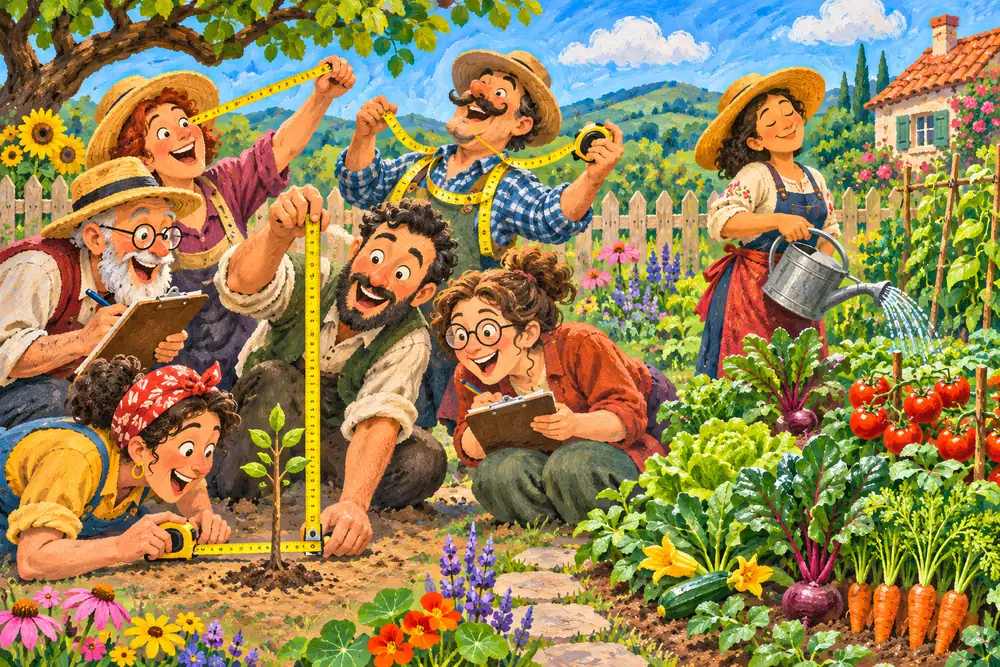
Every tree had an ID number. Every garden bed had a tracking board. The charts grew more detailed and more beautiful. Then one afternoon, the owner noticed that many trees were beginning to wilt.
Angrily, he called everyone together: “We monitor everything so closely. Why are the trees still dying?” Everyone looked at one another. At last, the old gardener stood up. “Sir, since the new system began, everyone has been busy recording things. I’ve also had to spend most of my time providing data, so no one has been left to water the trees regularly.” The owner fell silent.
The next day, he asked them to add one more metric: the percentage of trees watered.
I find this story a little funny, but also close to real management situations. Organizations need metrics to understand their operations. They need reports to track progress and processes to reduce risk. There is nothing wrong with those tools. But what happens when proving that we are working takes more time than actually producing results? A good report can help a manager notice that a tree needs water. But the report cannot water the tree by itself.
I don’t think an effective management system is one that measures everything. It should help people see what matters and give them more ability to act at the right time.
Don’t wait until the whole garden is wilting to realize that we have become too good at counting leaves.